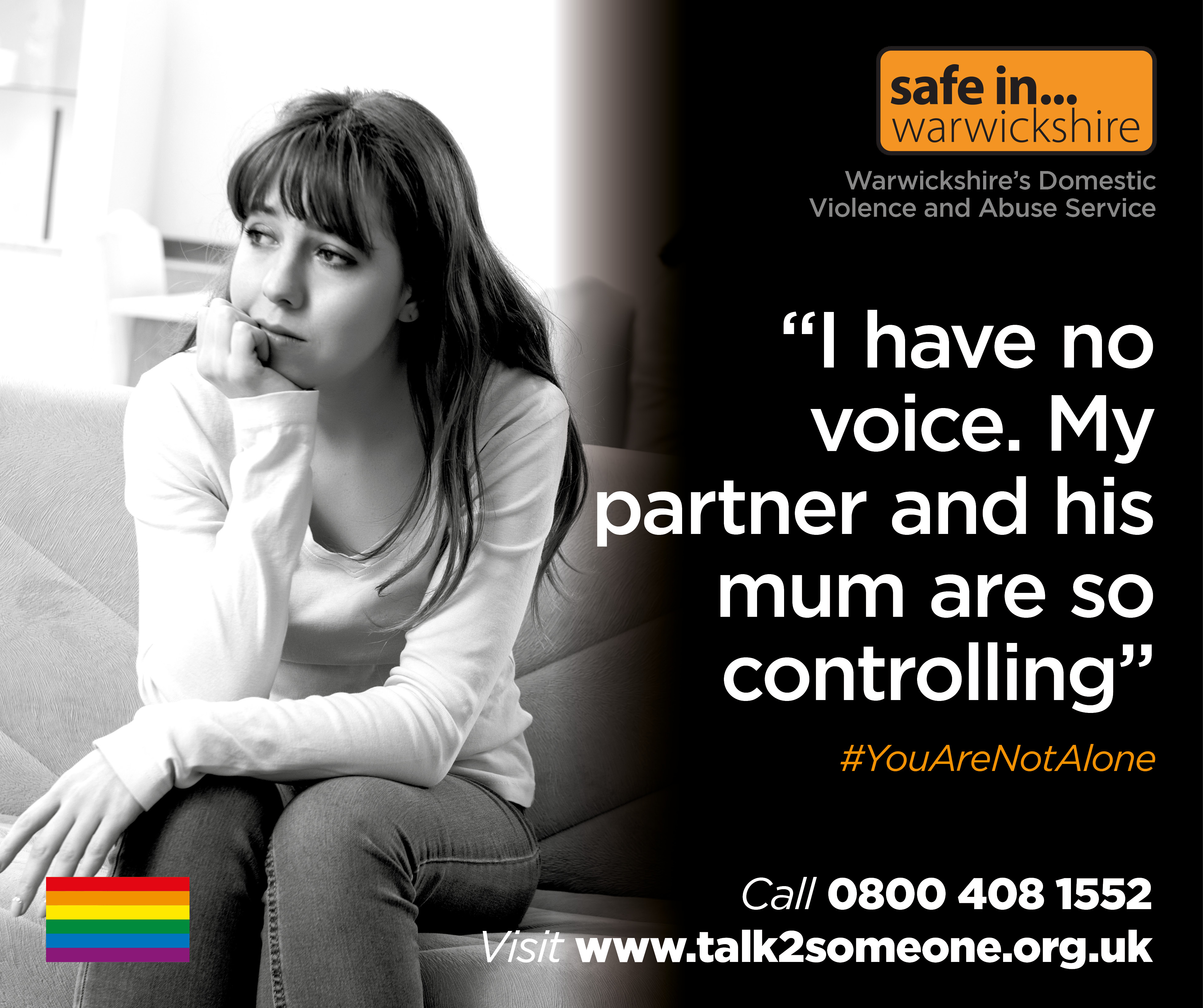
Domestic abuse is a pervasive issue that affects millions of individuals worldwide, leaving deep emotional and physical scars. For those who have experienced domestic abuse, the journey to healing and recovery is often long and challenging. This post aims to provide support, resources, and insights for domestic abuse survivors, helping them navigate the complexities of their journey towards a brighter future.
Understanding Domestic Abuse
Domestic abuse encompasses a wide range of behaviors used by one person to gain power and control over another in an intimate relationship. These behaviors can include physical violence, emotional abuse, sexual abuse, financial control, and psychological manipulation. It is crucial to recognize that domestic abuse can occur in any relationship, regardless of gender, age, or socioeconomic status.
Domestic abuse survivors often face a multitude of challenges, including fear, isolation, and a lack of support. The cycle of abuse can be difficult to break, as abusers often use tactics to maintain control and prevent their victims from seeking help. Understanding the dynamics of domestic abuse is the first step towards breaking free from its grip.
Recognizing the Signs of Domestic Abuse
Identifying the signs of domestic abuse is essential for both survivors and those who may be concerned about a loved one. Some common signs include:
- Physical injuries such as bruises, cuts, or broken bones.
- Emotional withdrawal or changes in behavior, such as increased anxiety or depression.
- Isolation from friends and family.
- Fear of the abuser or constant monitoring by the abuser.
- Financial control, such as restricting access to money or preventing employment.
If you or someone you know is experiencing any of these signs, it is important to seek help immediately. There are numerous resources available to support domestic abuse survivors, including hotlines, shelters, and counseling services.
Seeking Help and Support
For a domestic abuse survivor, seeking help can be a daunting task. Fear of retaliation, lack of resources, and feelings of shame or guilt can all act as barriers to reaching out for support. However, it is crucial to remember that help is available, and there are people who care and want to assist.
One of the first steps in seeking help is to contact a domestic abuse hotline. These hotlines are staffed with trained counselors who can provide immediate support, information, and resources. They can also help survivors develop a safety plan and connect them with local services.
In addition to hotlines, there are numerous organizations and shelters dedicated to supporting domestic abuse survivors. These organizations offer a range of services, including:
- Emergency shelter and housing assistance.
- Counseling and therapy services.
- Legal advocacy and support.
- Educational and vocational training.
- Support groups and peer counseling.
It is important for domestic abuse survivors to know that they are not alone and that there are people who care about their well-being and safety. Seeking help is a brave and necessary step towards healing and recovery.
Developing a Safety Plan
A safety plan is a personalized strategy designed to help domestic abuse survivors stay safe and protect themselves and their children. Developing a safety plan involves identifying potential risks, creating a plan for immediate safety, and preparing for future emergencies. Here are some key components of a safety plan:
- Identify safe places to go in case of an emergency, such as a friend's house, a family member's home, or a local shelter.
- Pack an emergency bag with essential items, including identification, money, medications, and important documents.
- Create a code word or signal to use with friends, family, or neighbors to indicate that you need help.
- Memorize important phone numbers, such as the domestic abuse hotline, local police, and trusted friends or family members.
- Develop a plan for leaving the home safely, including identifying escape routes and potential hiding places.
It is important to review and update the safety plan regularly, as circumstances and risks can change over time. A safety plan should be tailored to the individual needs and situation of the domestic abuse survivor, and it should be kept confidential to ensure safety.
🔒 Note: A safety plan should be kept in a secure location where the abuser cannot access it. It is also important to practice the safety plan regularly to ensure that it is effective and that all family members know what to do in case of an emergency.
Legal Resources and Protections
Domestic abuse survivors have legal rights and protections that can help them escape abusive situations and rebuild their lives. Understanding these legal resources is an important step in the journey towards safety and recovery.
One of the most important legal protections for domestic abuse survivors is a restraining order, also known as a protective order. A restraining order is a court order that prohibits the abuser from contacting or coming near the survivor. It can also include provisions for child custody, visitation, and financial support.
To obtain a restraining order, the survivor must file a petition with the court and provide evidence of the abuse. The court will then hold a hearing to determine whether to grant the order. It is important to work with a legal advocate or attorney who can provide guidance and support throughout the process.
In addition to restraining orders, there are other legal resources available to domestic abuse survivors, including:
- Criminal charges and prosecution of the abuser.
- Civil lawsuits for damages and compensation.
- Immigration protections for non-citizen survivors.
- Housing and employment protections.
It is important for domestic abuse survivors to seek legal advice and support from qualified professionals who can help them navigate the complexities of the legal system and protect their rights.
Emotional and Psychological Healing
The emotional and psychological impact of domestic abuse can be profound and long-lasting. Healing from the trauma of abuse requires time, support, and specialized care. There are several therapeutic approaches that can help domestic abuse survivors on their journey to emotional recovery.
One of the most effective therapeutic approaches for domestic abuse survivors is trauma-focused cognitive-behavioral therapy (TF-CBT). This type of therapy helps survivors process their traumatic experiences, develop coping skills, and rebuild their sense of self-worth and empowerment. TF-CBT is often used in conjunction with other therapeutic modalities, such as eye movement desensitization and reprocessing (EMDR) and dialectical behavior therapy (DBT).
Support groups and peer counseling can also be valuable resources for domestic abuse survivors. These groups provide a safe and supportive environment where survivors can share their experiences, gain insights, and learn from one another. Support groups can be particularly beneficial for survivors who feel isolated or stigmatized by their experiences.
Self-care is another crucial aspect of emotional and psychological healing. Engaging in activities that promote well-being, such as exercise, meditation, and creative expression, can help survivors manage stress, reduce symptoms of depression and anxiety, and foster a sense of resilience. It is important for survivors to prioritize their own needs and seek out activities that bring them joy and fulfillment.
Financial Empowerment
Financial abuse is a common tactic used by abusers to maintain control over their victims. It can include restricting access to money, preventing employment, and controlling financial decisions. For domestic abuse survivors, achieving financial empowerment is a critical step towards independence and self-sufficiency.
One of the first steps in achieving financial empowerment is to assess the current financial situation. This includes identifying sources of income, expenses, and debts. It is important to gather all relevant financial documents, such as bank statements, tax returns, and credit reports, to gain a clear understanding of the financial landscape.
Creating a budget is another essential step in achieving financial empowerment. A budget helps survivors track their income and expenses, identify areas where they can save money, and plan for future financial goals. It is important to be realistic and flexible when creating a budget, as circumstances can change over time.
Building an emergency fund is also crucial for domestic abuse survivors. An emergency fund provides a financial safety net in case of unexpected expenses or emergencies. It is recommended to save at least three to six months' worth of living expenses in an emergency fund.
In addition to these steps, there are numerous resources and programs available to support domestic abuse survivors in achieving financial empowerment. These include:
- Financial literacy workshops and classes.
- Job training and employment assistance.
- Microloans and small business grants.
- Housing assistance and rental subsidies.
It is important for domestic abuse survivors to seek out these resources and take advantage of the support available to them. Achieving financial empowerment is a key component of the journey towards independence and self-sufficiency.
Building a Support Network
Building a support network is essential for domestic abuse survivors as they navigate the challenges of healing and recovery. A strong support network can provide emotional support, practical assistance, and a sense of community and belonging. Here are some key components of a support network:
- Friends and family members who are trustworthy and supportive.
- Professional counselors and therapists who specialize in trauma and abuse.
- Support groups and peer counseling programs.
- Community organizations and advocacy groups.
- Legal and financial advisors who can provide guidance and support.
It is important for domestic abuse survivors to build a support network that is tailored to their individual needs and circumstances. This may involve reaching out to friends and family members, joining support groups, or seeking out professional services. Building a support network takes time and effort, but it is a crucial step in the journey towards healing and recovery.
One of the most important aspects of building a support network is communication. Open and honest communication with friends, family, and professionals can help survivors feel heard, understood, and supported. It is important to express needs and concerns clearly and to seek out the support that is needed.
Another key component of building a support network is self-advocacy. Self-advocacy involves speaking up for oneself, setting boundaries, and asserting one's rights and needs. It is important for domestic abuse survivors to develop self-advocacy skills, as they can help survivors navigate the challenges of healing and recovery and achieve their goals.
Building a support network is an ongoing process that requires effort and commitment. It is important for domestic abuse survivors to prioritize their own needs and seek out the support that is needed to achieve healing and recovery.
Educational and Vocational Training
Educational and vocational training can play a crucial role in the journey towards independence and self-sufficiency for domestic abuse survivors. These programs provide survivors with the skills and knowledge needed to secure employment, pursue educational opportunities, and achieve their career goals.
There are numerous educational and vocational training programs available to domestic abuse survivors. These programs can include:
- GED preparation and testing.
- Vocational training in fields such as healthcare, technology, and trades.
- College and university programs.
- Certification and licensing programs.
- Entrepreneurship and small business training.
It is important for domestic abuse survivors to explore the educational and vocational training options that are available to them and to seek out programs that align with their interests and goals. Many organizations and community colleges offer scholarships and financial aid to support survivors in pursuing their educational and vocational goals.
In addition to formal educational and vocational training programs, there are other resources available to support domestic abuse survivors in their career development. These include:
- Job placement and career counseling services.
- Networking and mentorship opportunities.
- Internship and apprenticeship programs.
- Workshops and seminars on topics such as resume writing, interview skills, and job search strategies.
It is important for domestic abuse survivors to take advantage of these resources and to seek out the support that is needed to achieve their career goals. Educational and vocational training can provide survivors with the skills and knowledge needed to secure employment, pursue educational opportunities, and achieve their career goals.
One of the most important aspects of educational and vocational training is the development of self-confidence and self-esteem. As survivors gain new skills and knowledge, they can build a sense of accomplishment and empowerment that can help them overcome the challenges of abuse and achieve their goals.
📚 Note: It is important for domestic abuse survivors to seek out educational and vocational training programs that are flexible and accommodating to their individual needs and circumstances. Many programs offer online or hybrid learning options, as well as part-time or evening classes, to accommodate survivors' schedules and responsibilities.
Advocacy and Awareness
Advocacy and awareness are crucial components of the fight against domestic abuse. By raising awareness about the issue and advocating for policy changes, domestic abuse survivors and their allies can help create a safer and more supportive world for all survivors.
One of the most important aspects of advocacy is education. Educating the public about the signs of domestic abuse, the dynamics of abusive relationships, and the resources available to survivors can help break the cycle of abuse and empower survivors to seek help. There are numerous ways to educate the public about domestic abuse, including:
- Public awareness campaigns and events.
- Workshops and training sessions for professionals, such as law enforcement, healthcare providers, and educators.
- Social media campaigns and online resources.
- Community outreach and education programs.
In addition to education, advocacy also involves policy and legislative changes. Advocating for policies that protect survivors, hold abusers accountable, and provide resources and support for survivors can help create a safer and more supportive world. Some key policy areas to focus on include:
- Strengthening laws and enforcement mechanisms to protect survivors and hold abusers accountable.
- Increasing funding for domestic abuse prevention and intervention programs.
- Expanding access to legal and financial resources for survivors.
- Promoting education and training for professionals who work with survivors.
Domestic abuse survivors can play a crucial role in advocacy and awareness efforts. By sharing their stories, advocating for policy changes, and educating the public, survivors can help create a safer and more supportive world for all survivors. It is important for survivors to prioritize their own safety and well-being while engaging in advocacy and awareness efforts, and to seek out support and resources as needed.
One of the most important aspects of advocacy is community involvement. Building a strong and supportive community can help survivors feel empowered and connected, and can provide a platform for advocacy and awareness efforts. There are numerous ways to get involved in the community, including:
- Joining local advocacy groups and organizations.
- Participating in community events and awareness campaigns.
- Volunteering with local shelters and support programs.
- Sharing stories and experiences with others.
It is important for domestic abuse survivors to seek out community involvement opportunities that align with their interests and goals, and to prioritize their own safety and well-being while engaging in advocacy and awareness efforts.
Resources for Domestic Abuse Survivors
There are numerous resources available to support domestic abuse survivors in their journey towards healing and recovery. These resources can provide emotional support, practical assistance, and a sense of community and belonging. Here is a table of some key resources for domestic abuse survivors:
| Resource | Description | Contact Information |
|---|---|---|
| National Domestic Violence Hotline | Provides 24/7 support, information, and resources for domestic abuse survivors. | 1-800-799-SAFE (7233) |
| Local Domestic Violence Shelters | Offer emergency shelter, counseling, and support services for survivors and their children. | Contact local organizations or use online directories to find shelters in your area. |
| Legal Aid and Advocacy Services | Provide legal representation, advocacy, and support for survivors navigating the legal system. | Contact local legal aid organizations or use online directories to find services in your area. |
| Counseling and Therapy Services | Offer individual and group therapy, counseling, and support for survivors dealing with the emotional and psychological impact of abuse. | Contact local mental health providers or use online directories to find services in your area. |
| Financial Empowerment Programs | Provide financial literacy workshops, job training, and other resources to help survivors achieve financial independence. | Contact local organizations or use online directories to find programs in your area. |
| Support Groups and Peer Counseling | Offer a safe and supportive environment where survivors can share their experiences, gain insights, and learn from one another. | Contact local organizations or use online directories to find support groups in your area. |
It is important for domestic abuse survivors to explore the resources that are available to them and to seek out the support that is needed to achieve healing and recovery. These resources can provide survivors with the tools and support needed to rebuild their lives and achieve their goals.
In addition to these resources, there are numerous online communities and forums where domestic abuse survivors can connect with one another, share their experiences, and gain support. These online communities can provide a sense of connection and belonging, and can be a valuable source of information and resources.
It is important for domestic abuse survivors to prioritize their own safety and well-being while seeking out resources and support. This may involve reaching out to trusted friends or family members, seeking out professional services, or joining support groups and online communities. Building a strong support network can help survivors feel empowered and connected, and can provide a platform for healing and recovery.
Domestic abuse survivors have a unique and powerful voice that can help raise awareness about the issue and advocate for policy changes. By sharing their stories, advocating for policy changes, and educating the public, survivors can help create a safer and more supportive world for all survivors.
It is important for survivors to prioritize their own safety and well-being while engaging in advocacy and awareness efforts, and to seek out support and resources as needed. Building a strong support network can help survivors feel empowered and connected, and can provide a platform for advocacy and awareness efforts.
In conclusion, the journey towards healing and recovery for a domestic abuse survivor is a complex and challenging process. However, with the right support, resources, and advocacy, survivors can rebuild their lives, achieve their goals, and create a safer and more supportive world for all survivors. By raising awareness, advocating for policy changes, and providing resources and support, we can help break the cycle of abuse and empower survivors to live fulfilling and meaningful lives.