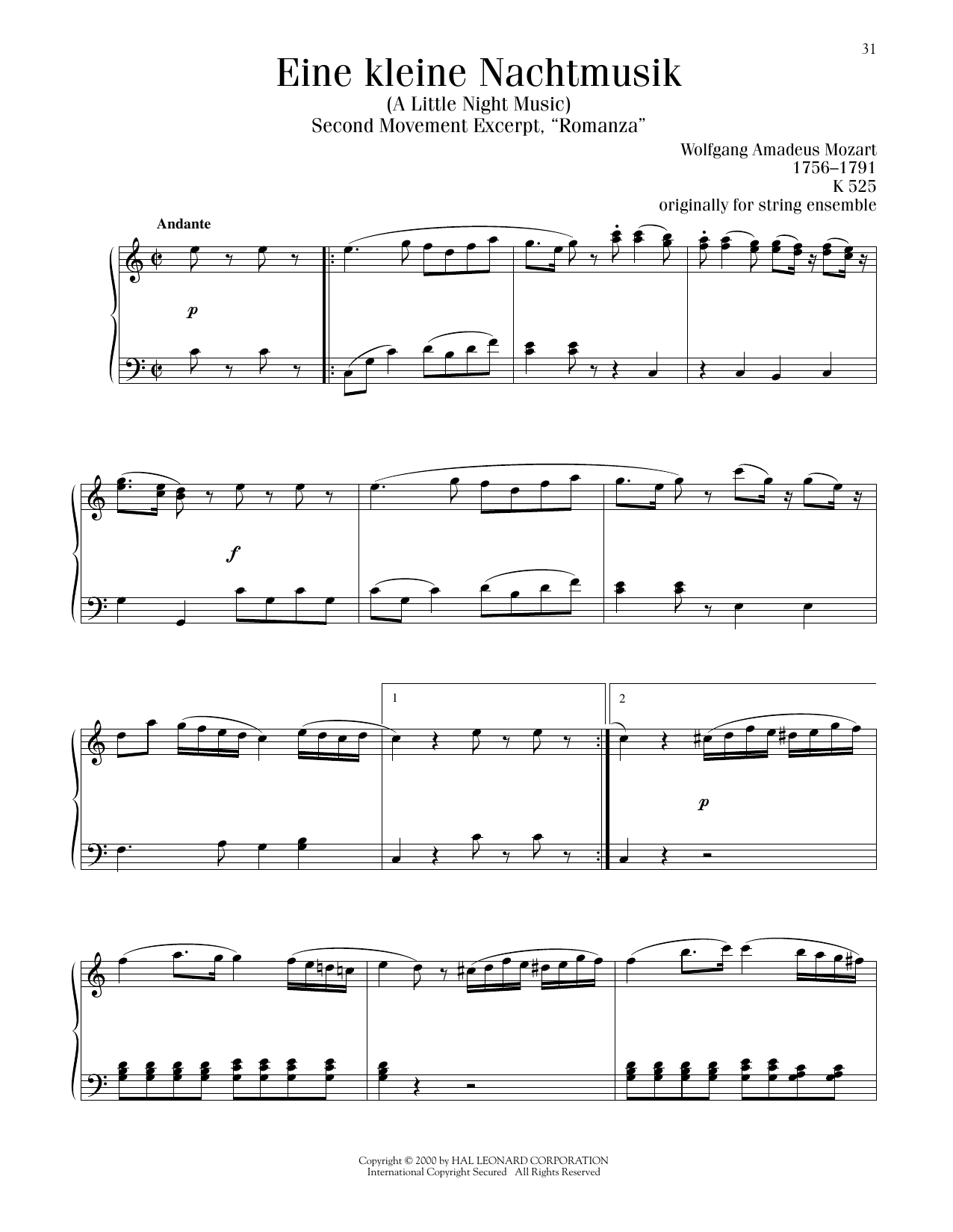
Mozart's *Eine kleine Nachtmusik* is one of the most beloved and recognizable pieces of classical music in the world. Composed in 1787, this serenade has captivated audiences for centuries with its elegant melodies and graceful rhythms. Understanding the *Eine kleine Nachtmusik meaning* involves delving into its historical context, musical structure, and the enduring appeal that has made it a staple in classical music.
Historical Context of Eine kleine Nachtmusik
To fully appreciate the *Eine kleine Nachtmusik meaning*, it is essential to explore the historical backdrop against which it was created. Wolfgang Amadeus Mozart composed this serenade during a period of significant personal and professional growth. By 1787, Mozart had established himself as a prominent composer and performer in Vienna, the cultural hub of Europe at the time. The serenade was likely written for a private performance, possibly for a social gathering or a small concert.
Mozart's life in Vienna was marked by both triumphs and challenges. He had recently married Constanze Weber, and the couple was navigating the complexities of their new life together. Despite financial struggles, Mozart's creative output during this period was prolific. *Eine kleine Nachtmusik* is a testament to his ability to produce masterful works even amidst personal and professional turmoil.
Musical Structure and Composition
The *Eine kleine Nachtmusik meaning* is deeply rooted in its musical structure. The serenade is composed in four movements, each with a distinct character and mood. The movements are as follows:
| Movement | Key | Tempo | Form |
|---|---|---|---|
| I. Allegro | G major | Fast and lively | Sonata form |
| II. Romanze (Andante) | C major | Moderately slow | Theme and variations |
| III. Menuetto (Allegretto) | G major | Moderately fast | Minuet and trio |
| IV. Rondo (Allegro) | G major | Fast and lively | Rondo form |
The first movement, *Allegro*, sets the tone with its lively and energetic melody. It is written in sonata form, which includes an exposition, development, and recapitulation. The second movement, *Romanze (Andante)*, is a slower, more introspective piece. It features a beautiful theme that is varied and developed throughout the movement. The third movement, *Menuetto (Allegretto)*, is a graceful minuet with a contrasting trio section. The final movement, *Rondo (Allegro)*, brings the serenade to a spirited close with its catchy and repetitive theme.
Mozart's use of harmony, melody, and rhythm in *Eine kleine Nachtmusik* is a masterclass in classical composition. The piece is characterized by its clarity and balance, with each movement flowing seamlessly into the next. The interplay between the strings creates a rich tapestry of sound, showcasing Mozart's genius for orchestration.
The Enduring Appeal of Eine kleine Nachtmusik
The *Eine kleine Nachtmusik meaning* lies not only in its historical and musical significance but also in its enduring appeal. The serenade has been featured in countless films, television shows, and advertisements, cementing its place in popular culture. Its melodies are instantly recognizable, and its graceful rhythms have made it a favorite for both classical music enthusiasts and casual listeners alike.
One of the reasons for the piece's enduring popularity is its accessibility. Unlike some of Mozart's more complex works, *Eine kleine Nachtmusik* is relatively straightforward and easy to appreciate. Its melodies are memorable and its structure is clear, making it an excellent introduction to classical music for newcomers. Additionally, the serenade's versatility has allowed it to be performed in a variety of settings, from concert halls to outdoor festivals.
Another factor contributing to the *Eine kleine Nachtmusik meaning* is its emotional resonance. The piece evokes a sense of elegance and refinement, with its graceful melodies and delicate harmonies. It has the power to transport listeners to a different time and place, offering a moment of tranquility and beauty in an often chaotic world.
Mozart's *Eine kleine Nachtmusik* has also inspired numerous interpretations and arrangements. Over the years, musicians have reimagined the serenade in various styles and genres, from jazz to rock. These interpretations have helped to keep the piece fresh and relevant, introducing it to new generations of listeners.
One notable example is the jazz arrangement by the Dave Brubeck Quartet. Their rendition of the first movement, *Allegro*, transforms the classical melody into a swinging jazz tune, showcasing the versatility of Mozart's composition. Similarly, the rock band Deep Purple has incorporated elements of *Eine kleine Nachtmusik* into their music, demonstrating the piece's enduring influence across different genres.
In addition to its musical legacy, *Eine kleine Nachtmusik* has also left a mark on popular culture. The serenade has been featured in numerous films and television shows, often used to evoke a sense of elegance and sophistication. For example, it was used in the soundtrack of the classic film *The Great Escape*, where it played a pivotal role in a memorable scene. The piece has also been featured in advertisements, further cementing its place in the collective consciousness.
Despite its widespread popularity, the *Eine kleine Nachtmusik meaning* remains deeply rooted in its classical origins. The serenade is a testament to Mozart's genius and his ability to create timeless music that transcends generations. Its enduring appeal lies in its accessibility, emotional resonance, and versatility, making it a beloved piece of classical music for centuries to come.
🎵 Note: The term "Eine kleine Nachtmusik" translates to "A Little Night Music" in English. This title reflects the piece's original purpose as a serenade, intended for evening entertainment.
In conclusion, understanding the Eine kleine Nachtmusik meaning involves exploring its historical context, musical structure, and enduring appeal. Mozart’s serenade is a masterpiece of classical composition, characterized by its clarity, balance, and emotional resonance. Its accessibility and versatility have made it a favorite for both classical music enthusiasts and casual listeners alike, ensuring its place in the canon of timeless music. The serenade’s influence can be seen in various interpretations and arrangements, as well as its presence in popular culture, further cementing its legacy as one of the most beloved pieces of classical music in the world.
Related Terms:
- eine kleine nachtmusik translation
- eine kleine nachtmusik pronunciation
- who wrote eine kleine nachtmusik
- eine kleine nachtmusik is a
- eine kleine nachtmusik style
- eine kleine nachtmusik in english