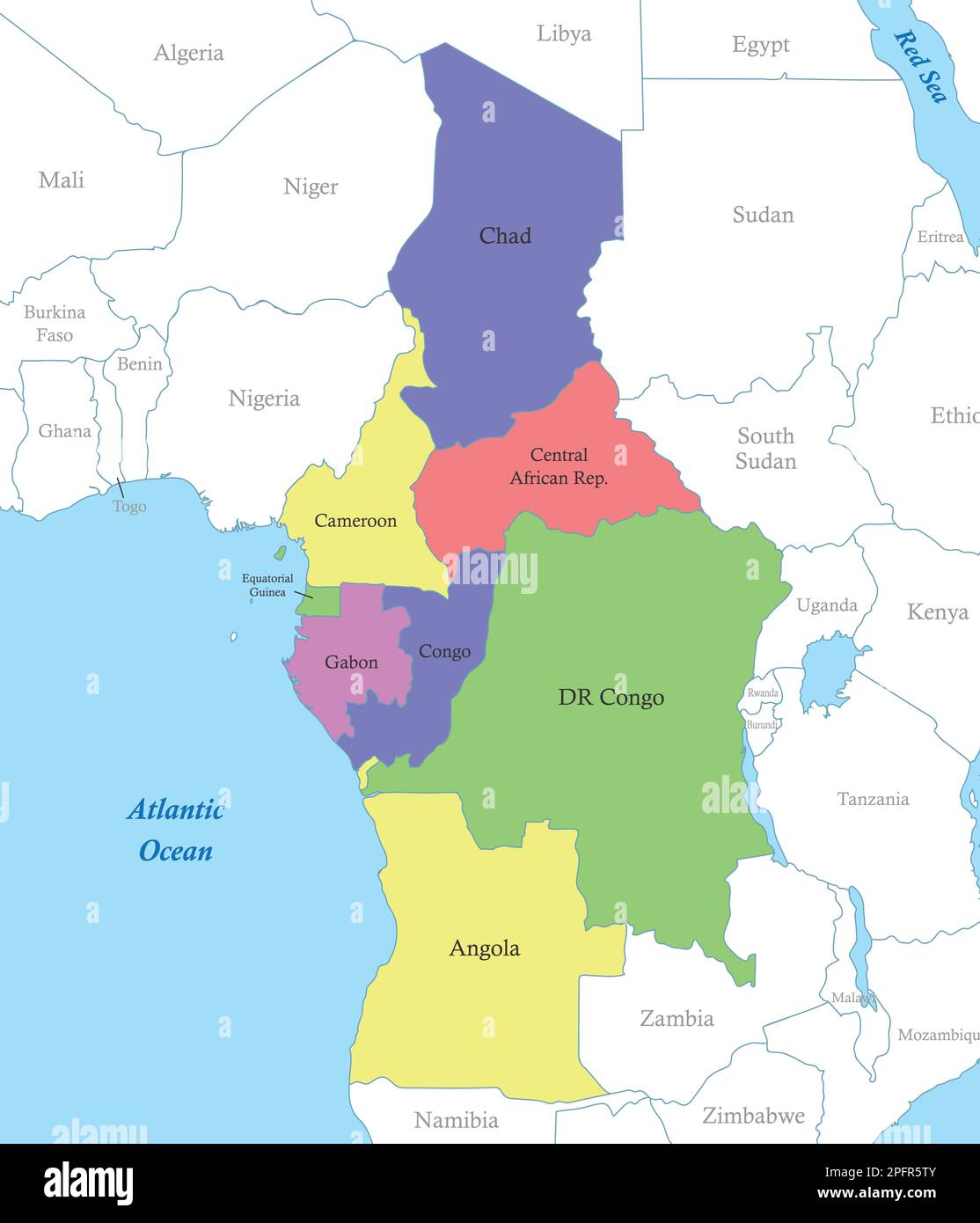
Exploring the rich tapestry of African football, the rivalry between Central Africa and Angola stands out as a compelling narrative. This rivalry is not just about the sport but also about the cultural and historical contexts that shape these nations. Central Africa, a region encompassing countries like the Democratic Republic of the Congo, Cameroon, and Gabon, has a storied football history. Angola, on the other hand, has emerged as a formidable force in African football, particularly in the 21st century. This blog post delves into the intricacies of the Central Africa vs. Angola football rivalry, examining the historical context, key matches, and the impact on African football.
Historical Context of Central Africa vs. Angola
The football rivalry between Central Africa and Angola is deeply rooted in the historical and cultural fabric of the region. Central Africa, with its diverse nations, has a long-standing tradition of producing world-class football talent. Countries like the Democratic Republic of the Congo (DRC) and Cameroon have consistently been powerhouses in African football. The DRC, for instance, has a rich footballing heritage, with legendary players like Dieumerci Mbokani and Shabani Nonda. Cameroon, often referred to as the "Indomitable Lions," has a reputation for producing top-tier talent and has won multiple Africa Cup of Nations (AFCON) titles.
Angola, meanwhile, has a more recent but equally impressive footballing history. The country gained independence from Portugal in 1975 and has since made significant strides in developing its football infrastructure. Angola's national team, known as the "Palancas Negras" (Black Antelopes), has shown remarkable progress, qualifying for the AFCON multiple times and even reaching the quarter-finals in 2008 and 2012. The team's success can be attributed to a combination of homegrown talent and strategic investments in football development.
Key Matches and Moments
The rivalry between Central Africa and Angola has produced several memorable matches and moments. One of the most notable encounters was the 2008 Africa Cup of Nations, where Angola hosted the tournament. The Palancas Negras made a strong impression, reaching the quarter-finals and showcasing their potential on the continental stage. This tournament marked a turning point for Angolan football, demonstrating their ability to compete with the traditional powerhouses of Central Africa.
Another significant moment was the 2012 Africa Cup of Nations, where Angola once again made a deep run in the tournament. Their performance highlighted the growing competitiveness of Angolan football and their ability to challenge the established teams from Central Africa. The matches between Angola and Central African nations during these tournaments were intense, with both sides showcasing their skills and determination.
One of the standout matches in this rivalry was the 2015 Africa Cup of Nations qualifier between Angola and the Democratic Republic of the Congo. The match was a thrilling encounter, with both teams displaying high levels of skill and tactical prowess. The DRC eventually emerged victorious, but the match underscored the competitive nature of the rivalry and the high stakes involved.
Impact on African Football
The Central Africa vs. Angola rivalry has had a significant impact on African football. It has not only elevated the standard of play but also inspired a new generation of footballers in both regions. The competitive nature of these matches has pushed teams to improve their strategies, training methods, and overall performance. This rivalry has also fostered a sense of pride and unity among fans, who rally behind their teams with unwavering support.
Moreover, the rivalry has contributed to the development of football infrastructure in both regions. Angola, in particular, has invested heavily in building state-of-the-art stadiums and training facilities. This investment has not only benefited Angolan football but also set a benchmark for other African nations to follow. The improved infrastructure has attracted more talent and provided better opportunities for young players to develop their skills.
The rivalry has also highlighted the importance of regional cooperation and competition. While the teams compete fiercely on the field, there is a mutual respect and admiration for each other's achievements. This balance of competition and cooperation has been instrumental in the growth of African football, fostering a spirit of camaraderie and shared goals.
Cultural and Social Significance
The Central Africa vs. Angola rivalry extends beyond the football field, encompassing cultural and social dimensions. Football in Africa is more than just a sport; it is a unifying force that brings communities together. The matches between Central African nations and Angola are not just about winning or losing but about celebrating the rich cultural heritage of the continent.
For instance, the vibrant fan culture in both regions adds a unique flavor to the rivalry. Fans from Central Africa and Angola create a festive atmosphere during matches, with colorful banners, chants, and traditional dances. This cultural exchange enriches the football experience and reinforces the bonds between the nations.
Additionally, the rivalry has a significant social impact. Football matches serve as platforms for addressing social issues and promoting unity. The matches between Central Africa and Angola often highlight themes of peace, unity, and development, encouraging fans to support these causes beyond the football field.
Future Prospects
The future of the Central Africa vs. Angola rivalry looks promising. Both regions continue to invest in football development, nurturing young talent and improving infrastructure. The growing competitiveness of Angolan football and the rich footballing heritage of Central Africa ensure that this rivalry will remain a highlight of African football for years to come.
As both regions continue to develop, the rivalry is likely to produce more memorable matches and moments. The next generation of footballers from Central Africa and Angola will carry forward the legacy of their predecessors, pushing the boundaries of what is possible in African football. The rivalry will not only inspire future stars but also contribute to the overall growth and development of the sport on the continent.
In conclusion, the Central Africa vs. Angola football rivalry is a testament to the rich tapestry of African football. It is a story of competition, cooperation, and cultural exchange that has shaped the sport and inspired generations of footballers. As both regions continue to invest in football development, the rivalry will remain a cornerstone of African football, driving innovation, and excellence on the continent.
Related Terms:
- sa vs angola highlights
- angola vs south africa time
- angola vs south africa score
- angola vs south africa afcon
- angola vs south africa history
- angola vs bafana