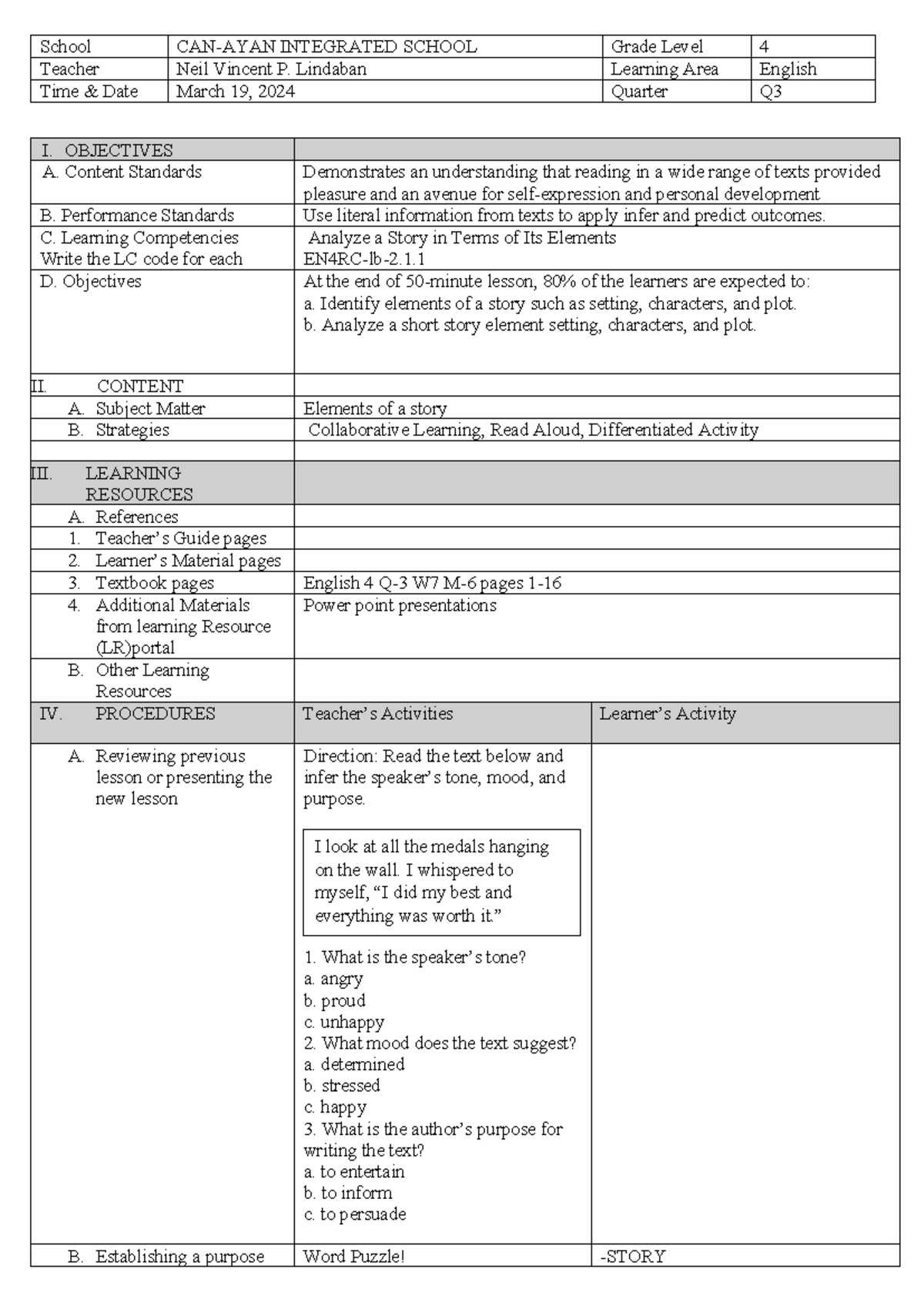
Storytelling is a fundamental aspect of human communication, and understanding the elements of narratives is crucial for anyone looking to craft compelling stories. Whether you're a writer, a marketer, or simply someone who enjoys sharing tales, knowing the key components of a narrative can significantly enhance your storytelling abilities. This post will delve into the essential elements of narratives, providing a comprehensive guide to help you create engaging and memorable stories.
Understanding the Basics of Narrative Elements
Before diving into the specifics, it's important to grasp the basic concept of narrative elements. These are the building blocks that make up a story, each playing a unique role in shaping the overall narrative. The primary elements of narratives include:
- Plot
- Characters
- Setting
- Theme
- Point of View
- Style
- Conflict
- Resolution
Each of these elements contributes to the story's structure and depth, making them indispensable for any narrative.
The Plot: The Backbone of the Story
The plot is the sequence of events that make up the story. It is the backbone that holds everything together, driving the narrative forward. A well-crafted plot keeps the audience engaged and eager to know what happens next. The plot can be simple or complex, but it should always have a clear beginning, middle, and end.
To create a compelling plot, consider the following steps:
- Identify the Main Conflict: Every good story needs a central conflict that drives the plot. This conflict can be internal (within a character) or external (between characters or forces).
- Develop Subplots: Subplots add depth and complexity to the main story. They can provide additional layers of conflict and character development.
- Create a Clear Structure: Use a narrative structure like the three-act structure or the hero's journey to organize your plot. This ensures a logical flow and keeps the story engaging.
- Include Twists and Turns: Unexpected events and twists can keep the audience on the edge of their seats, making the story more exciting and unpredictable.
📝 Note: A well-structured plot is essential for maintaining reader interest. Ensure that each event in the plot serves a purpose and contributes to the overall narrative.
Characters: The Heart of the Story
Characters are the heart of any narrative. They are the entities through which the story is told, and their actions, thoughts, and emotions drive the plot forward. Well-developed characters make the story relatable and engaging. There are several types of characters to consider:
- Protagonist: The main character who drives the story forward.
- Antagonist: The character or force that opposes the protagonist.
- Supporting Characters: Characters who assist the protagonist or add depth to the story.
- Dynamic Characters: Characters who undergo significant changes throughout the story.
- Static Characters: Characters who remain largely unchanged throughout the story.
To create compelling characters, focus on the following aspects:
- Backstory: Develop a rich backstory for each character to make them more believable and relatable.
- Motivations: Understand what drives each character and what they hope to achieve.
- Flaws and Strengths: Give your characters both strengths and flaws to make them more human and relatable.
- Character Arc: Plan how each character will evolve throughout the story, especially the protagonist.
📝 Note: Characters should be multidimensional and relatable. Avoid stereotypes and clichés to make your characters more authentic.
Setting: The Stage for the Story
The setting is the time and place where the story unfolds. It provides the backdrop against which the characters and events are presented. A well-defined setting can enhance the atmosphere and mood of the story, making it more immersive for the reader.
When creating a setting, consider the following:
- Time Period: Determine whether the story takes place in the past, present, or future. This can influence the language, technology, and cultural norms.
- Location: Choose a specific location or create a fictional world. The setting should be vivid and detailed to transport the reader into the story.
- Atmosphere: Use sensory details to create a specific mood or atmosphere. This can include weather, lighting, and sounds.
- Cultural Context: Consider the cultural and social norms of the setting. This can affect how characters interact and behave.
📝 Note: The setting should be integral to the story. It should not only provide a backdrop but also influence the characters and plot.
Theme: The Message of the Story
The theme is the central idea or message that the story conveys. It is the underlying meaning that the author wants to communicate to the audience. Themes can be explicit or implicit, and they often explore universal human experiences such as love, loss, and redemption.
To identify and develop a theme, consider the following:
- Identify Universal Truths: Themes often explore universal truths that resonate with a wide audience. Think about the core message you want to convey.
- Use Symbolism: Symbols can represent abstract ideas and enhance the theme. For example, a storm might symbolize inner turmoil.
- Character Development: Themes can be explored through the growth and changes of characters. How do your characters evolve, and what do their journeys reveal about the theme?
- Conflict and Resolution: The theme can be highlighted through the conflicts and resolutions in the story. How do the characters overcome challenges, and what does this reveal about the theme?
📝 Note: The theme should be woven naturally into the story. Avoid preaching or being too obvious, as this can detract from the narrative.
Point of View: The Lens Through Which the Story is Told
The point of view (POV) is the perspective from which the story is told. It determines how the reader experiences the narrative and can significantly impact the story's tone and depth. There are several common points of view:
- First Person: The story is told from the perspective of a character using "I" or "we."
- Second Person: The story is told from the perspective of "you," addressing the reader directly.
- Third Person Limited: The story is told from the perspective of a single character using "he," "she," or "they."
- Third Person Omniscient: The story is told from the perspective of an all-knowing narrator who can see into the minds of all characters.
Choosing the right point of view depends on the story you want to tell. Consider the following:
- Character Perspective: Decide whose perspective best serves the story. This can be the protagonist, a supporting character, or an omniscient narrator.
- Narrative Distance: Determine how close or distant the narrator should be from the characters and events. This can affect the level of intimacy and detail in the story.
- Consistency: Maintain a consistent point of view throughout the story to avoid confusing the reader.
📝 Note: The point of view should be chosen based on the story's needs and the desired reader experience. Experiment with different points of view to see which one works best.
Style: The Voice and Tone of the Story
The style refers to the unique voice and tone of the story. It encompasses the author's use of language, sentence structure, and literary devices. The style can make the story distinctive and memorable, setting it apart from others.
To develop a unique style, consider the following:
- Vocabulary and Language: Choose words and phrases that reflect the story's tone and atmosphere. Use descriptive language to paint vivid images.
- Sentence Structure: Vary sentence length and structure to create rhythm and flow. Short sentences can create tension, while longer sentences can provide detail and depth.
- Literary Devices: Use literary devices such as metaphors, similes, and imagery to enhance the story's richness and complexity.
- Consistency: Maintain a consistent style throughout the story to create a cohesive narrative.
📝 Note: The style should reflect the story's tone and atmosphere. Experiment with different styles to find the one that best suits your narrative.
Conflict: The Driving Force of the Story
Conflict is the driving force that propels the plot forward. It creates tension and keeps the reader engaged, eager to see how the characters will resolve their challenges. Conflicts can be internal or external and can take various forms.
To create compelling conflicts, consider the following:
- Internal Conflict: This occurs within a character, such as a struggle with personal beliefs or emotions. Internal conflicts can add depth to characters and make them more relatable.
- External Conflict: This occurs between characters or forces, such as a battle, a chase, or a disagreement. External conflicts can create excitement and suspense.
- Man vs. Man: Conflict between two or more characters.
- Man vs. Nature: Conflict between a character and natural forces, such as weather or wildlife.
- Man vs. Society: Conflict between a character and societal norms or institutions.
- Man vs. Self: Conflict within a character, such as a struggle with personal demons or inner turmoil.
- Man vs. Supernatural: Conflict between a character and supernatural forces, such as ghosts or magic.
📝 Note: Conflicts should be integral to the plot and character development. Avoid unnecessary conflicts that do not serve a purpose.
Resolution: The Climax and Denouement
The resolution is the climax and denouement of the story. It is the point where the main conflict is resolved, and the story reaches its conclusion. A satisfying resolution provides closure and leaves the reader with a sense of completion.
To create a satisfying resolution, consider the following:
- Climax: The climax is the most intense and exciting part of the story, where the main conflict reaches its peak. It should be a turning point that resolves the central conflict.
- Denouement: The denouement is the winding down of the story after the climax. It provides closure and ties up loose ends, allowing the reader to reflect on the narrative.
- Character Development: Ensure that the resolution reflects the growth and changes of the characters, especially the protagonist.
- Thematic Resolution: The resolution should also address the story's theme, providing a satisfying conclusion to the central message.
📝 Note: The resolution should be satisfying and provide closure. Avoid rushed or unsatisfying endings that leave the reader feeling cheated.
Putting It All Together: Crafting a Compelling Narrative
Crafting a compelling narrative involves integrating all the elements of narratives seamlessly. Each element plays a crucial role in shaping the story, and they should work together to create a cohesive and engaging experience for the reader. Here are some tips for putting it all together:
- Plan Your Story: Before you start writing, outline your plot, characters, setting, theme, point of view, style, conflict, and resolution. This will help you stay organized and focused.
- Develop Your Characters: Spend time developing your characters, giving them depth, motivations, and flaws. This will make them more relatable and engaging.
- Create a Vivid Setting: Use sensory details to create a vivid and immersive setting. This will transport the reader into the story and enhance the atmosphere.
- Explore Your Theme: Weave your theme naturally into the story, using symbols, character development, and conflicts to explore the central message.
- Choose the Right Point of View: Select a point of view that best serves your story and maintains consistency throughout the narrative.
- Develop a Unique Style: Use descriptive language, varied sentence structure, and literary devices to create a unique and memorable style.
- Build Tension with Conflict: Create compelling conflicts that drive the plot forward and keep the reader engaged.
- Provide a Satisfying Resolution: Ensure that your resolution provides closure and ties up loose ends, leaving the reader with a sense of completion.
By integrating these elements of narratives effectively, you can create a compelling and memorable story that resonates with your audience.
Understanding the elements of narratives is essential for anyone looking to craft engaging and memorable stories. Whether you're a writer, a marketer, or simply someone who enjoys sharing tales, knowing the key components of a narrative can significantly enhance your storytelling abilities. By focusing on the plot, characters, setting, theme, point of view, style, conflict, and resolution, you can create a cohesive and engaging narrative that captivates your audience.
Remember, storytelling is an art form that requires practice and patience. Experiment with different techniques and styles to find what works best for you. With dedication and a deep understanding of the elements of narratives, you can create stories that leave a lasting impact on your readers.
Related Terms:
- what are all narrative elements
- different types of narrative elements
- elements of a narrative paragraph
- what are some narrative elements
- elements of a good narrative
- elements of a narrative writing